10/13/26
Governors Green and Lujan Grisham to co-host mental health workshop in Santa Fe
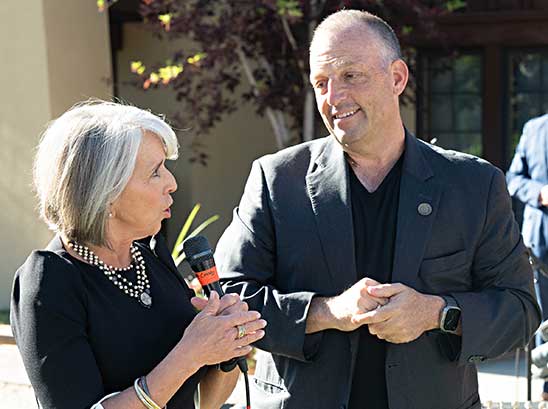
The third workshop of the Health Beyond Healthcare initiative will be held in Santa Fe, New Mexico, on November 16 and 17.
This workshop, co-hosted by New Mexico Governor Michelle Lujan Grisham and Hawaiʻi Governor Josh Green, will explore strategies to expand coverage and affordability of mental health services and examine efforts to enforce and modernize mental health parity. Policymakers and experts will participate in discussions about federal insurance programs, maternal mental health, disaster response, access to treatment during incarceration and reentry, and more.
"I’m grateful to Governor Green for leading this work, and New Mexico is proud to bring the region’s experts and policymakers to Santa Fe to find solutions that work for new mothers, people leaving incarceration, and communities recovering from disaster,” Governor Lujan Grisham said. “This workshop promises fresh insights and stimulating conversation about topics that matter to millions of Americans.”
View the agenda below and register here to join the conversations.
Monday, November 16
|
12:15 pm Eldorado Hotel and Spa |
Lunch Anasazi Ballroom |
|
1:00 pm
|
Welcome and Introductions Jack Waldorf, WGA Executive Director
|
|
1:05 pm |
Governor’s Remarks The Honorable Josh Green, Governor of Hawaiʻi
|
|
1:20 pm |
Break
|
|
1:30 pm |
Panel 1: Advancing Mental Health Coverage and Parity Federal mental health parity protections date back to 1996, yet major gaps remain in ensuring mental health and substance use disorder coverage is comparable to physical health coverage. With new parity actions from the Administration and significant changes to the federal health policy landscape on the horizon, this panel will explore opportunities to strengthen federal parity protections, improve enforcement and accountability, and address persistent barriers to accessing covered services.
|
|
2:25 pm |
Break
|
|
2:35 pm |
Panel 2: Mental Health Beyond the Clinic Our nation leads the world in medical research and care, but despite increased investment and rising costs, mental health outcomes frequently remain stagnant. Research has shown that clinical care has a smaller influence on health outcomes than other factors outside the traditional health system. Panelists will evaluate the conditions that contribute to mental health and well-being as well as effective strategies to prioritize prevention, integrate care, and drive meaningful progress in the mental health space.
|
|
3:30 pm |
Break
|
|
3:40 pm
|
Panel 3: Maternal Mental Health Maternal mental health conditions, such as depression, anxiety, and trauma-related disorders, can affect women during pregnancy and after childbirth. This panel will examine approaches to improving early identification and treatment, reducing barriers and stigma to care, and strengthening mental health support throughout pregnancy and the postpartum period.
|
|
4:35 pm
|
Break
|
|
4:45 pm |
Fireside Chat
|
|
5:15 pm |
Adjourn
|
|
5:30 – 7:30 pm The Sunset Terrace |
Reception 112 W San Francisco St, Suite 310
|
Tuesday, November 17
|
7:45 am Eldorado Hotel and Spa |
Breakfast Available Anasazi Ballroom |
|
8:15 am |
Governor’s Remarks The Honorable Michelle Lujan Grisham, Governor of New Mexico
|
|
8:30 am |
Break
|
|
8:40 am |
Panel 4: Expanding Access to Innovative Mental Health Treatments Addressing unmet mental health needs will require expanding access to innovative treatments by bringing new therapies to market and strengthening supply chains. Today’s conversation will focus on translating scientific advances into safe and effective treatment options while overcoming barriers to access.
|
|
9:35 am |
Break
|
|
9:45 am
|
Panel 5: Healing After Disasters First responders regularly face traumatic and high-stress situations, while disasters can disrupt care and create new mental health needs across entire communities. This panel will consider ways to support first responders and disaster-affected communities, maintain continuity of care, and integrate behavioral health into disaster preparedness, response, and recovery.
|
|
10:40 am |
Break
|
|
10:50 am
|
Panel 6: Care During Incarceration and Reentry Incarcerated individuals with mental health conditions often do not receive the care and support they need, posing challenges for reentry and resulting in worsening health outcomes, higher rates of recidivism, and a greater strain on public resources. This session will discuss opportunities to disrupt the cycle of untreated mental illness and empower justice-involved individuals as they transition back into their communities.
|
|
11:45 am |
Adjourn |